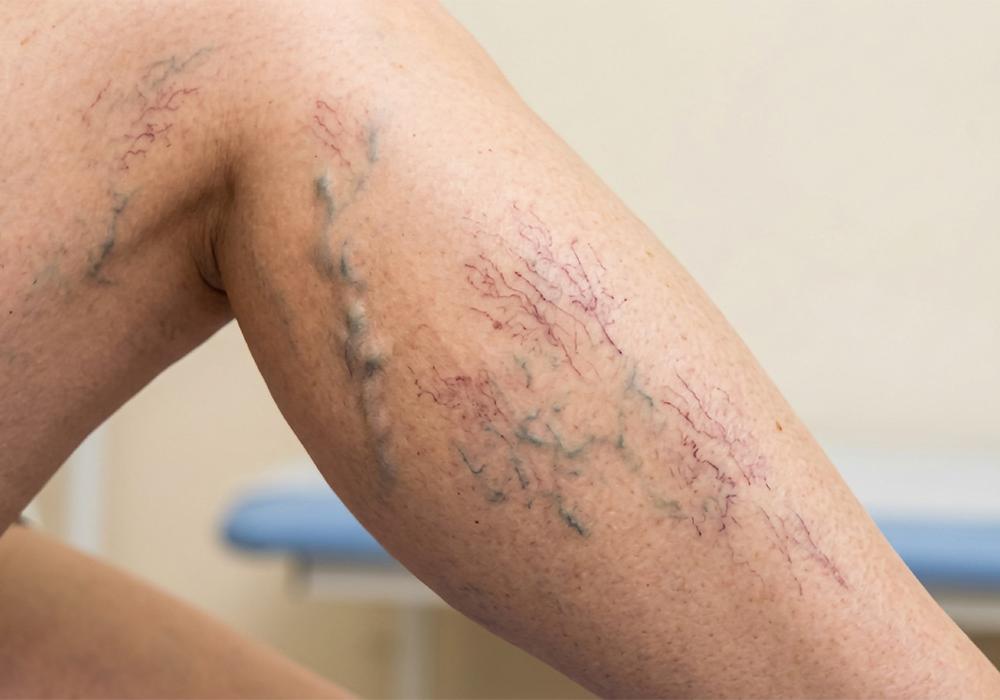
If you have been referred for vascular surgery, it does not necessarily mean you will need an operation. A vascular surgeon can assess conditions affecting your arteries and veins, investigate symptoms and recommend treatment based on your individual needs. Depending on your condition, treatment may involve monitoring, lifestyle changes, medication, minimally invasive procedures or surgery.
Understanding when surgery may be recommended can make it easier to know what to expect when you are referred to a vascular specialist.
What does a vascular surgeon treat?
A vascular surgeon specialises in conditions affecting the blood vessels outside the heart and brain. These conditions can affect blood flow to and from different parts of the body and range from relatively straightforward vein problems to complex arterial disease.
At Vascular Health Geelong, the conditions assessed and managed include arterial disease, varicose veins and venous conditions, vascular access in renal failure, compressive and sports-related vascular conditions and excessive sweating.
The role of a vascular specialist is therefore broader than performing surgery. Assessment and diagnosis come first, followed by a discussion about which treatment, if any, is appropriate.
When might vascular surgery be recommended?
Whether you need an intervention depends on the condition, its severity, your symptoms and your general health. The risks and likely benefits of treatment also need to be considered for each patient.
Arterial disease is one example. Narrowing or blockage of an artery can reduce blood flow, particularly to the legs. Some people with peripheral arterial disease experience pain in the legs when walking that improves with rest. Treatment does not automatically involve surgery. Depending on the circumstances, management can include addressing cardiovascular risk factors, medication and exercise.
When symptoms are severe, disease progresses or blood supply to a limb is threatened, a vascular surgeon may consider an intervention to improve blood flow. This can include minimally invasive procedures such as angioplasty or stenting, as well as open surgery such as bypass surgery in selected patients.
Other arterial conditions, including aneurysms and carotid artery disease, may also require specialist assessment. Some can be monitored, while others may require treatment depending on factors such as their size, progression, symptoms and associated risks.
Do varicose veins require surgery?
Not necessarily. Varicose veins and other venous conditions vary considerably in their symptoms and severity.
Some people seek advice because of aching, discomfort or swelling, while others develop skin changes or complications associated with chronic venous disease. A vascular specialist can assess whether symptoms are related to the veins and determine whether treatment is appropriate.
Conservative measures may help some patients. When further treatment is indicated, the available options will depend on the nature of the venous condition and the individual patient.
The important point is that visible veins alone do not determine whether you need a procedure. A proper vascular assessment helps establish what is causing the problem and what approach is suitable.
When is vascular surgery needed for renal failure?
Vascular surgeons also play an important role in creating and maintaining vascular access for people who require haemodialysis because of kidney failure.
Haemodialysis requires reliable access to the bloodstream. In appropriate patients, a vascular surgeon can create an arteriovenous fistula by connecting an artery to a vein. Planning may include an examination of the blood vessels and vascular imaging to determine a suitable approach.
This is an example of vascular surgery being used to support the treatment of another medical condition rather than to treat arterial or venous disease alone.
What about compressive and sports-related vascular conditions?
Blood vessels can sometimes be affected by compression associated with a person’s anatomy, movement or physical activity. These problems may be particularly relevant to active people and athletes and can produce symptoms that overlap with musculoskeletal conditions.
Compressive and sports-related vascular conditions require careful assessment to identify whether a blood vessel is involved and determine the appropriate management.
This is another reason seeing a vascular surgeon does not automatically lead to surgery. Establishing an accurate diagnosis is an important part of deciding what happens next.
Why assessment comes before treatment
There is no single procedure that is right for every vascular condition or every patient.
Your vascular surgeon will consider your symptoms, medical history, examination findings and any relevant investigations. Vascular ultrasound and other forms of imaging may be used to assess blood flow and identify narrowing, blockage or other abnormalities.
From there, your vascular specialist can explain the findings and discuss suitable management options. These may range from observation and ongoing monitoring to medical management, minimally invasive procedures or open surgery.
This approach also means that treatment decisions can take account of your broader vascular health rather than focusing on an imaging result in isolation.
When should you see a vascular specialist?
You may be referred to a vascular specialist after your GP or another doctor identifies symptoms, examination findings or imaging results that require further assessment.
Reasons for referral can include leg pain associated with walking, poor circulation, wounds that are slow to heal, suspected arterial disease, troublesome varicose veins or another diagnosed vascular condition. Patients requiring dialysis access or assessment of a suspected compressive vascular condition may also be referred to a vascular surgeon.
Some vascular problems can become urgent. Sudden severe symptoms, such as the abrupt onset of a cold, painful or pale limb, require urgent medical assessment rather than waiting for a routine appointment.
The right treatment depends on the right diagnosis
Vascular surgery is not simply about deciding whether to operate. Modern vascular care includes assessment, surveillance, medical management, minimally invasive procedures and open surgery.
For patients considering vascular surgery, the first step is understanding the condition and the available options. A vascular surgeon can determine whether treatment is required and, when it is, which approach is appropriate for the individual patient.
If you have been diagnosed with a vascular condition or referred for specialist assessment, contact Vascular Health Geelong to discuss an appointment and the next steps in your care.