Varicose veins and venous conditions
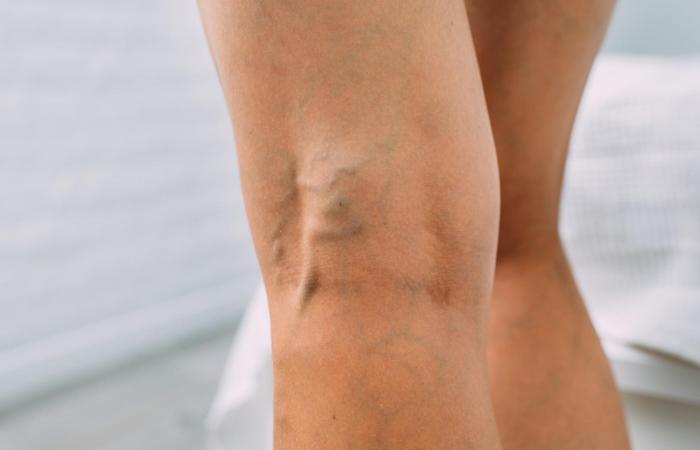
Varicose vein treatment is available through Vascular Health Geelong for patients with enlarged varicose veins, symptoms of venous disease and other conditions affecting the veins. Venous disease occurs when veins do not return blood towards the heart effectively, often because the valves within the veins have become weak or damaged. This can allow blood to pool in the legs, causing swelling, discomfort, skin changes and enlarged veins. Varicose veins are enlarged and twisted surface veins that commonly develop in the legs. Symptoms may include aching, heaviness, throbbing, itching, swelling and restless legs, while some patients seek treatment because they are concerned about the appearance of their veins. If venous disease progresses, it can contribute to skin damage and leg ulcers.
Varicose vein treatment
Varicose veins treatment is tailored to each patient based on their symptoms, the severity and location of the affected veins, their anatomy and their treatment goals. Assessment helps determine the underlying cause of the problem and the most appropriate venous disease treatment. Depending on the condition, treatment may include compression socks or stockings, minimally invasive procedures or surgery. Many patients can undergo minimally invasive varicose vein treatment as a day procedure, allowing for a relatively rapid recovery.
Endovenous therapy treats faulty superficial veins from inside the blood vessel. Techniques include radiofrequency ablation (RFA), which uses heat energy, and cyanoacrylate glue, which seals the abnormal vein. These procedures can close affected veins through small needle punctures without the need for large incisions. Sclerotherapy may be used for smaller varicose veins and spider veins. During this procedure, a specialised solution is injected into the affected vein, causing it to close. For more advanced or complex varicose veins, surgery may still be recommended.
Chronic venous disease and leg ulcers
Long-term venous disease can cause persistent swelling, skin discolouration, eczema, thickening of the skin and ulcers around the ankle. Chronic venous insufficiency develops when the veins cannot effectively return blood from the legs towards the heart. The resulting increase in venous pressure can gradually damage the skin and surrounding tissues. Management depends on the individual patient and may include compression therapy, wound care, exercise, skin care and venous intervention. Assessment can also identify underlying venous reflux or obstruction that may be contributing to the condition.
Pelvic congestion syndrome
Pelvic congestion syndrome is caused by enlarged or refluxing veins within the pelvis and most commonly affects women. Symptoms may include chronic pelvic pain, aching, heaviness, pressure or discomfort. These symptoms can become more noticeable after prolonged standing, later in the day or following pregnancy. Assessment may involve ultrasound, CT, MR venography or venography to examine the pelvic and ovarian veins. Treatment depends on the severity of symptoms and imaging findings. Selected patients may benefit from minimally invasive ovarian vein coiling. This procedure uses small coils or other embolisation techniques to seal abnormal refluxing veins, helping to reduce venous congestion and improve symptoms.
Deep vein thrombosis
Deep vein thrombosis (DVT) is a blood clot that forms within the deep veins, most commonly in the legs. It can cause swelling, pain, warmth and redness in the affected limb, although some people experience few noticeable symptoms. DVT requires appropriate medical assessment because a clot can potentially travel to the lungs and cause a pulmonary embolism. Diagnosis typically involves ultrasound imaging. Treatment usually includes anticoagulant medication, commonly referred to as blood-thinning medication, along with firm compression socks or stockings. Selected patients with extensive clot burden or severe symptoms may require minimally invasive catheter-directed treatment or, less commonly, surgery.
Specialist varicose vein and venous disease treatment
Vascular Health Geelong provides assessment and treatment for patients with varicose veins and other forms of venous disease from its Waurn Ponds practice. Treatment is based on the underlying condition, symptoms, vascular assessment and individual patient needs.
Vascular conditions can require different forms of specialist management. You can also learn more about vascular access in renal failure and compressive and sports related vascular conditions. If you are concerned about varicose veins, symptoms affecting your veins, or have been referred for venous disease treatment, contact Vascular Health Geelong to arrange an appointment.