
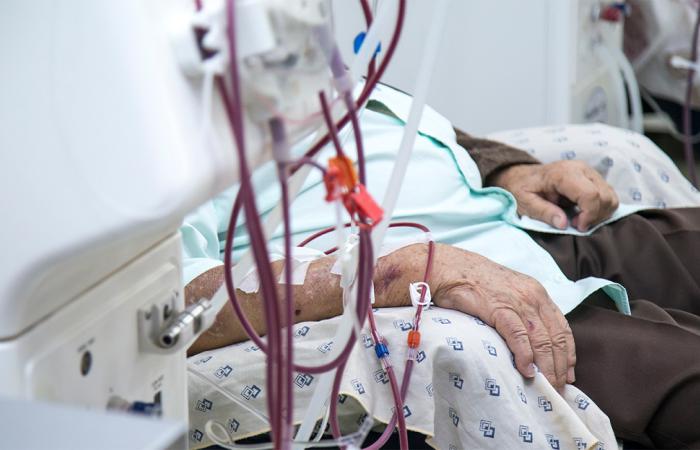
Vascular access in renal failure
Vascular access is provided for patients with renal failure who require haemodialysis. Vascular access creates a reliable pathway to the bloodstream so blood can be removed, filtered through a dialysis machine and returned to the body. Depending on the individual patient, dialysis access may involve the creation of an AV fistula or another form of renal access suitable for haemodialysis.
Planning vascular access before dialysis is required can help provide sufficient time for the access to develop and become suitable for treatment. Vascular Health Geelong works with patients, nephrologists and renal care teams to assess vascular anatomy and determine an appropriate approach.
Vascular access and dialysis access surgery
An AV fistula is a commonly used form of permanent dialysis access. It is created surgically by joining an artery directly to a vein, usually in the arm. The increased blood flow causes the vein to enlarge and strengthen over time, allowing it to be accessed repeatedly during haemodialysis.
Before dialysis access surgery, an ultrasound may be performed to assess the arteries and veins in the arms. This vascular mapping helps identify suitable blood vessels and determine the most appropriate location for an AV fistula. Wherever possible, access planning aims to preserve future options should another form of vascular access be required later. After surgery, an AV fistula needs time to mature before it can be used reliably for dialysis. The fistula may be monitored through clinical examination and ultrasound to assess blood flow, size and development.
AV fistula monitoring and treatment
Ongoing monitoring is important because problems can develop within dialysis access over time. Narrowing of the blood vessels can reduce blood flow through an AV fistula and may eventually lead to clotting or failure of the access. Changes in the way a fistula feels, difficulty during dialysis or changes in dialysis performance can indicate a problem requiring further assessment. Ultrasound and other vascular investigations may be used to identify narrowing, obstruction or other complications affecting renal access.
When a problem is detected, treatment depends on its cause and severity. This may include minimally invasive procedures such as angioplasty to widen a narrowed section of the blood vessel. In some circumstances, surgical revision or the creation of new vascular access may be required.
Specialist vascular access care
Vascular Health Geelong provides assessment, dialysis access surgery and ongoing management for patients requiring haemodialysis access. Care is tailored to the individual patient and coordinated with their renal care team, with the aim of establishing and maintaining reliable vascular access for dialysis.
Vascular Health Geelong also manages a range of other vascular conditions. Learn more about compressive and sports related vascular conditions and excessive sweating. If you have been referred for vascular access, contact Vascular Health Geelong to arrange an appointment.